The Permission We Never Grant Ourselves: On Wanting the Wrong Things
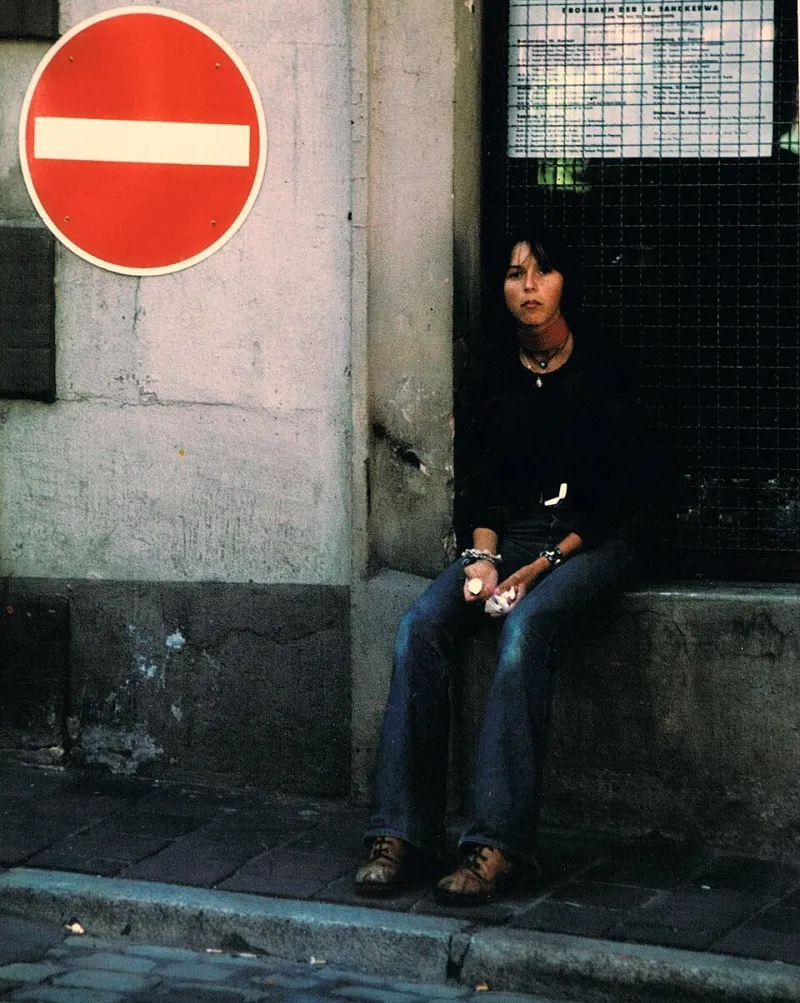
Photo: Stiller Beobachter from Ansbach, Germany, CC BY 2.0, via Wikimedia Commons
There is a particular kind of exhaustion that has nothing to do with overwork. It arrives not from doing too much, but from spending years wanting the wrong things — or rather, from spending years pretending to want the right ones.
In America, desire has always carried a moral dimension. What a person pursues reveals, so the cultural logic goes, the quality of their character. Ambition toward a meaningful career signals virtue. The wish for parenthood confirms warmth. A hunger for deep friendships demonstrates emotional intelligence. These are the sanctioned wants, the ones that earn nods of approval at dinner tables and in therapy offices alike. And then there are the other desires — the quieter, less photogenic ones — which tend to go unspoken, or get dressed up in language that makes them more palatable.
This is the gap worth examining: not between who we are and who we wish to be, but between what we genuinely want and what we have convinced ourselves we are supposed to want.
The Architecture of Approved Desire
The pressure to want correctly is rarely issued as a direct command. It arrives through subtler channels — through the questions relatives ask at holidays, through the way social media rewards certain life announcements over others, through the implicit narrative of self-improvement culture that insists every person ought to be striving toward more: more connection, more purpose, more growth.
Consider the person who, upon honest reflection, does not particularly want children. Not because of trauma or circumstance, but simply because parenthood does not call to them. The cultural machinery that surrounds this admission is remarkable in its efficiency. There are the clarifying questions — Are you sure? Have you really thought about it? — that suggest the desire itself must be a symptom of something unresolved. There is the quiet repositioning of the person as someone who has not yet arrived at the correct conclusion. The message, delivered gently but consistently, is that this particular want is a problem to be solved rather than a truth to be respected.
The same dynamic plays out across a range of desires. The professional who would genuinely prefer a modest, undemanding job — not as a stepping stone, but as an end in itself — learns quickly to frame this preference as temporary, as a phase, as something they are working through. The person who finds solitude more nourishing than social engagement apologizes for their introversion as though it were a deficiency rather than a disposition. The individual who feels no particular pull toward personal reinvention navigates a wellness culture that treats contentment with the present self as a failure of imagination.
What Shame Does to Honest Wanting
When a desire cannot be spoken plainly, it does not disappear. It tends, instead, to go underground — reshaping itself into something more defensible, or calcifying into resentment toward the people and systems that made honesty feel unsafe.
Psychologically, the cost of sustained misrepresentation is significant. There is the cognitive labor of maintaining a version of oneself that is oriented toward the right ambitions. There is the erosion of self-trust that occurs when a person's internal experience is consistently overridden by external expectation. And there is, perhaps most corrosively, the creeping suspicion that one's actual desires are evidence of something shameful — a shallowness, a smallness, a failure to want big enough or right enough.
This suspicion is worth challenging. The shame attached to certain desires is not a neutral psychological response. It is, in large part, a cultural product — one that reflects whose vision of a good life has been granted authority, and whose has been quietly marginalized.
The Radical Simplicity of Saying What We Actually Want
There is a question worth sitting with here, and it is not a comfortable one: When did you last want something without immediately auditing whether that want was acceptable?
For many people, the honest answer is that this kind of uncensored desire has become genuinely difficult to access. The gap between what we want and what we are willing to admit we want closes, over time, into something that resembles conviction — but is actually compliance.
The first movement toward authentic living may be less dramatic than the culture of self-discovery would suggest. It is not necessarily a grand reinvention or a courageous public declaration. It may simply be the private act of acknowledging, without immediate qualification, what one actually desires. Not what one should desire, or what one would desire if one were a better, more evolved, more socially conscious person — but what one genuinely, presently wants.
This acknowledgment does not resolve the tension between personal desire and social obligation. It does not mean that all wants ought to be acted upon, or that the feelings of others are irrelevant. What it does do is restore a person to the position of honest witness to their own inner life — which is, arguably, a prerequisite for any meaningful choice that follows.
Will We Ever Stop Wanting What We're Told To Want
The cultural pressure to desire correctly is not likely to dissolve on its own. The machinery is too well established, the rewards for performing the right ambitions too immediate, the penalties for honest deviation too persistent. What may shift, however, is the individual's relationship to that pressure.
There is a difference between a person who wants what the culture approves of and a person who has simply never examined whether those approved wants are their own. The former may be genuinely satisfied. The latter is operating on borrowed desire — and will likely, at some point, feel the weight of that borrowing.
The question that lingers is not whether our desires are correct. It is whether we have ever truly allowed ourselves to find out what they are.
That permission — quiet, unglamorous, and entirely private — may be the most consequential thing we never grant ourselves.

